 Fran Miller | Napa Valley Life Magazine
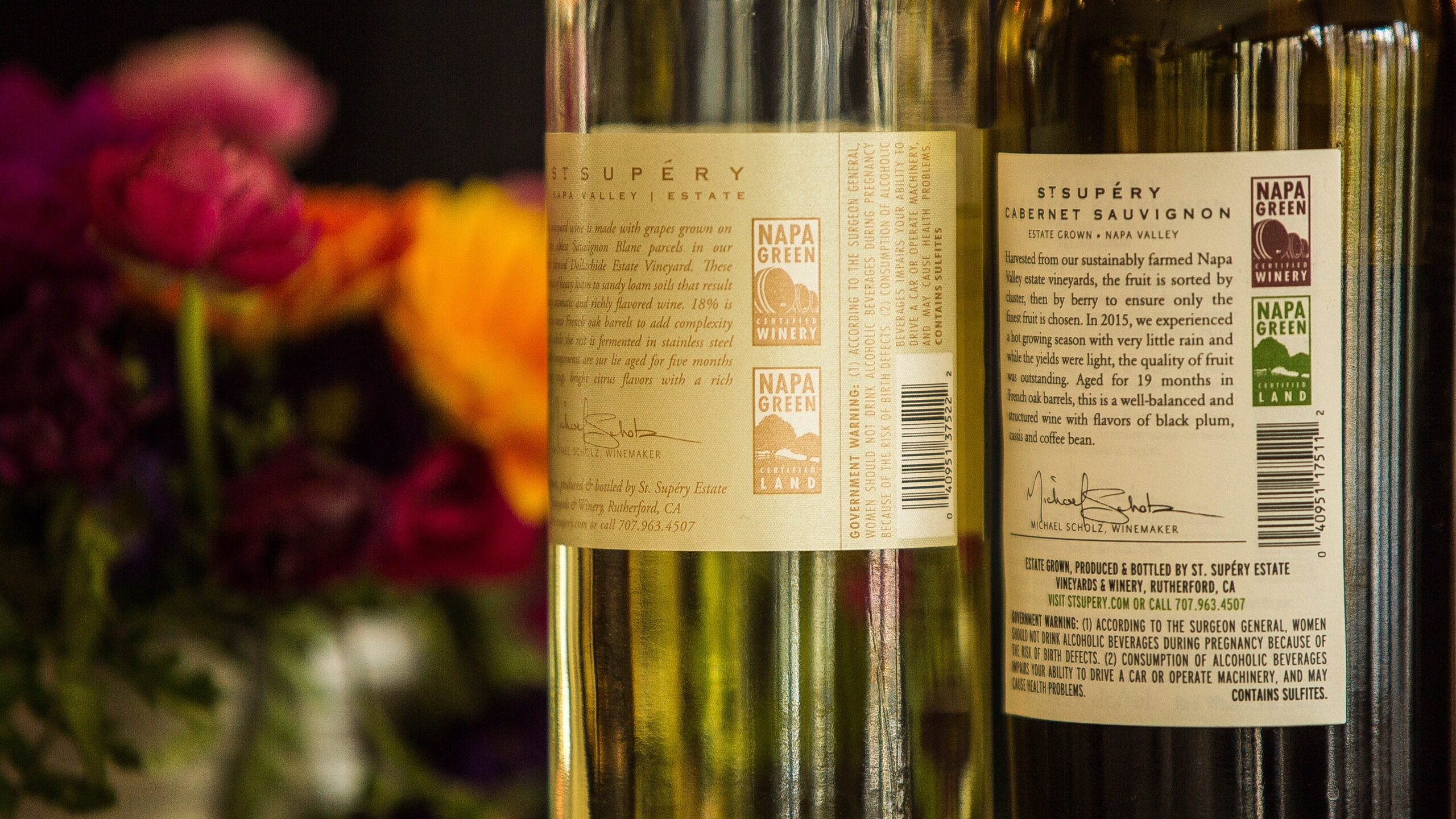
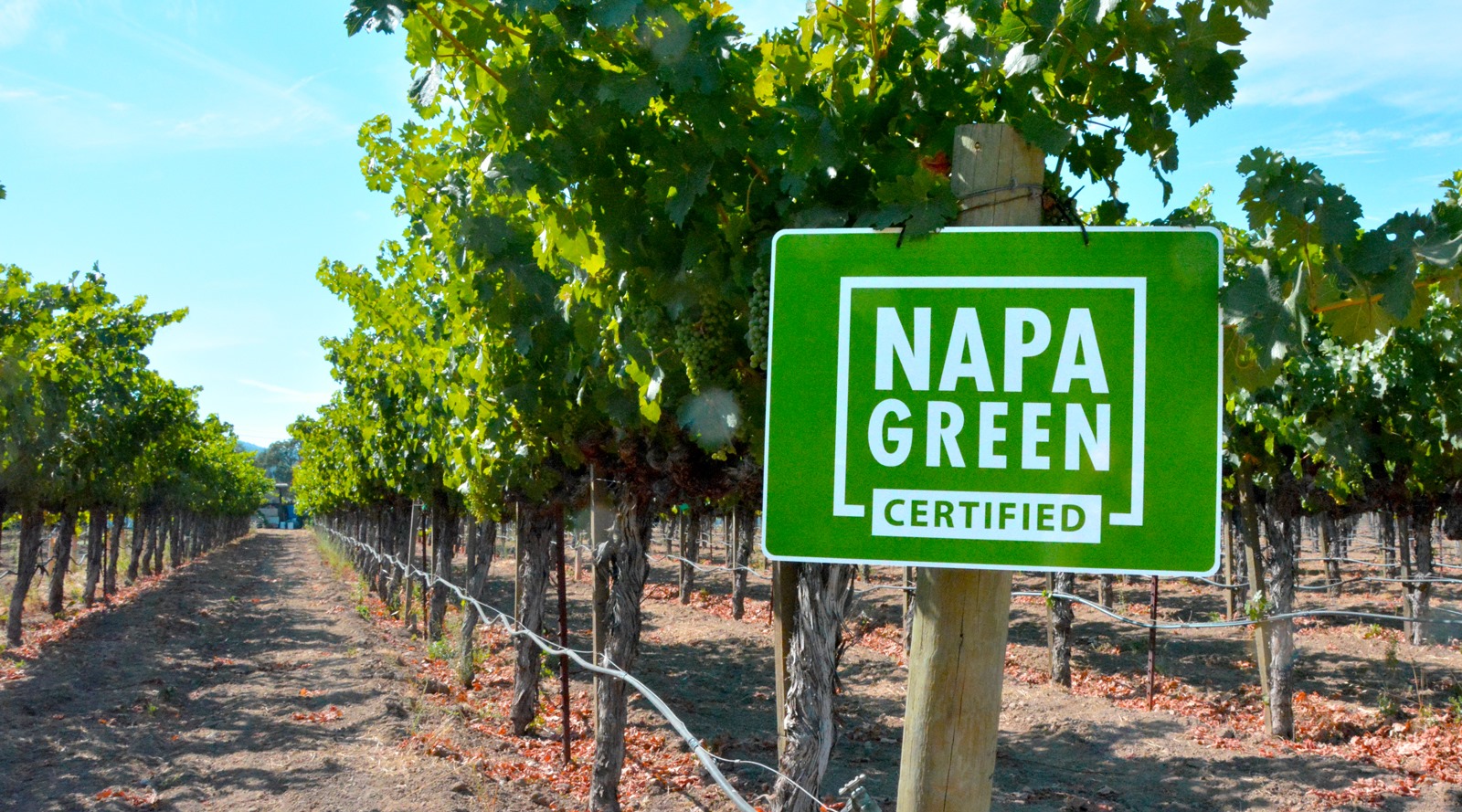
Napa Green. Visitors to the Napa Valley have likely heard the term or seen the Napa Green Certified signs skirting the vineyards and wondered, “What does that mean?” The complementary Napa Green Land and Winery certifications symbolize an appealing commitment to sustainability and environmental stewardship that gives guests an added reason to enjoy select Napa Valley wines. For who can argue with caring for nature, caring for employees and the community, and caring for business resilience? When applied to wineries and winemaking, sustainability results in swirling and sipping for the greater good.
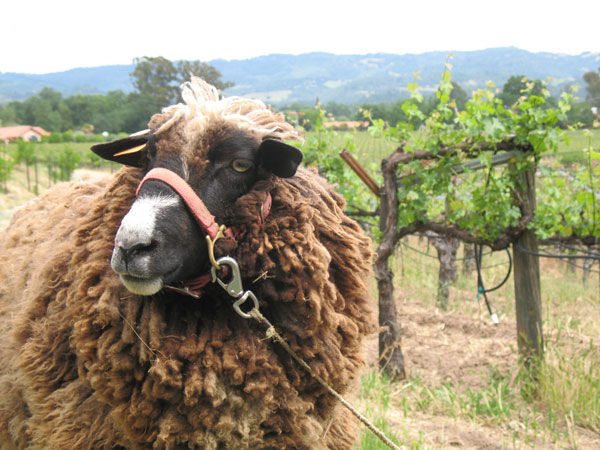
Napa Green entails much more than our common mantra of ‘reuse, reduce, recycle.’ Growers and vintners participating in either the Land or Winery programs or both the are held to rigorously high standards, the practices of which are largely unseen by the visiting public. Sure, wine tasters might spy a bluebird box here and there (a mother nature approved insect abatement method), or take note of colorful cover crops that line vineyard rows (enriching soils and attracting beneficial insects), yet the bulk of Napa Green activities are harder to see (like implementing more efficient tank and barrel cleaning methods).
Napa Green Land certification entails that land owners assess all aspects of their property, including farming practices, roads, and waterways, and that they implement measures to retain soils and prevent erosion, identify and reduce harmful inputs and runoff, conserve water resources, and preserve habitat along the river, creeks and streams. To become a Napa Green Certified Winery, wineries must implement 100+ measures to improve energy and water efficiency, prevent waste and take climate action – all while engaging employees on the path to winery sustainability. Napa Green provides the opportunity for ‘soil to bottle’ stewardship that contributes to the health of the Napa River watershed, integrates resource conservation and climate action into day-to-day operations, implemented by vineyards and wineries committed to being conscientious employers and good neighbors. It’s a tall order, so it is impressive that there are now nearly 90 Napa Green Certified Wineries. Roughly 70% of Napa Valley’s vineyard acreage has been certified Napa Green Land, representing more than 30,000 acres.
Created in the early 2000s by industry leaders, environmental groups, and government agencies in a cooperative effort to protect and restore the Napa River, the Napa Green Land program granted its first certification in 2004. The Napa Green Winery certification program began in
2008. The independent, third-party certification pathways for farms and winemaking facilities makes Napa Green one of the most rigorous sustainability accreditations within the wine industry. The emphasis on both vineyard and winery certification sets Napa Green apart.
“My wife, Michelle, and I believe that we are charged with leaving this world a better place than we found it,” said Robin Baggett, owner of Alpha Omega Winery, chair of the Napa Valley Vintners Board of Directors, and past president of the Rutherford Dust Society (RDS). Michelle is also a RDS past president. “Saving energy and water and reducing carbon footprint and waste is a big part of this mission. We are proud to have both our winery and land Napa Green certified and to be a part of the Rutherford Dust Society, the first AVA association to be 100% certified Napa Green Land.”
“Winery participation in either of these two certification programs is totally voluntary,” said Anna Brittain, who, as executive director of Napa Green, works closely with each winery to achieve certification. “The effort is often led by whomever has a passion for sustainability – be it the winery’s winemaker, operations manager or proprietor. The Napa Valley Vintners, who have championed the program for more than 15 years, set a goal to have all of their members participating in one or both programs, and we are more than 75% of the way to meeting that goal. Right now, 40% of all certified sustainable wineries in the whole state are located within Napa. We are extremely proud of our industry’s leadership.”
A Napa Valley native, Brittain finds her work personally meaningful. A graduate of St. Helena High School, she earned a Master of Environmental Science and Management at the University of California, Santa Barbara and worked in sustainability roles nationally and internationally before returning to the Valley to help grow the Napa Green program. Napa Green was originally created under the auspices of Napa Valley Vintners (NVV), the Napa wine industry’s trade association that promotes, protects, and enhances the Napa Valley. Brittain helped lead the recent transition to Napa Green becoming its own, independent, non-profit entity.
Now as a stand-alone non-profit, the organization is able to seek new partners and fundraising opportunities and implement some innovative programs. One such proposed program is the Napa Green Tasting Passport, with the majority of Napa Green’s 50+ comprehensively certified members offering incentives such as two-for-one tastings, or an upgrade to a vineyard tour, cave experience, or food pairing. Brittain hopes to offer the passport twice annually to drive traffic during the shoulder seasons of March through June and November through December. “The Passport will provide a platform for wineries to tell their story and engage guests in new ways. By paying for itself in three or four winery visits it will appeal to visitors regardless of existing curiosity or awareness about sustainable winegrowing, and serve as a launching point to grow this understanding.”
But Napa visitors need not wait for this program rollout to enjoy the full flavor of the Napa Green experience. Napa Green has developed 12 themed Napa Green Wine Tasting Itineraries curated to match every viticultural mood or interest. The common theme? Each of the 36 listed wineries is a participant in the Napa Green Land and/ or Napa Green Winery programs. And with April being Down to Earth month, marking the 50th Anniversary of Earth Day, it’s a perfect time to visit these green wineries.
The self-guided itineraries each feature three, close-in-proximity wineries with shared qualities. An art lover? Choose Art & Architecture and taste as you tour the galleries of Etude, Artesa, and the Hess Collection. Select the American Dream itinerary and learn the origins of Chateau Montelena’s historic 1976 Judgment of Paris win, absorb Benessere’s ‘good life’ vibes, and witness how a wine dynasty family keeps things fresh at Trinchero Napa Valley. The Eco Chic tour leads to the rustically elegant tasting barn of Phifer Pavitt, the stylish solitude of Stony Hill, and exploration of the geological history of the Napa Valley via a private tasting experience 65 feet below the earth in the Chateau Boswell Caves.
“Making the commitment to third-party certification takes time and effort,” said Susan Boswell, unofficially dubbed ‘the Queen of Napa Green’ for her continued efforts to reduce water and energy use at Chateau Boswell. “But it is worth it to demonstrate our commitment to the community and to protect our watershed, our land, and the air we breathe.”
“Napa Green is an excellent beginning,” said Chris Howell of Spring Mountain’s Cain Vineyard & Winery. Howell, who calls himself a ‘wine-grower,’ was an early adopter of Napa Green Land practices. “Even before Napa Green, we learned about Fish Friendly Farming, and recognized that everything we do in our vineyard affects our watershed,” said Howell. “Adopting Napa Green vineyard practices was a no-brainer for me and for Cain.”
“There are many benefits in being Napa Green Winery and Napa Green Land certified,” said Alan Viader, director of operations and winemaking at Viader Vineyards. “For a small winery like ours, we are always looking to improve our efficiency and be on the frontlines of innovation and change. The idea of Napa Green really attracted me. As farmers, it’s our duty to be the very best stewards of the land. It takes effort and follow-through but if I can do it, anybody can do it.”
Napa Green’s future may well expand beyond the wine industry. The program may broaden its scope to begin promoting and facilitating sustainability certification for other hospitality sectors, such as hotels, restaurants and events. “Through Napa Green, participants are raising awareness about the importance of sustainability community-wide and the program is helping our wine community put their values into action,” said Michelle Novi, associate director of industry relations for the Napa Valley Vintners. “Given the robust certification requirements, I have no doubt that Napa Green will be an integral program to help Napa County achieve its greenhouse gas reduction goals.”
The Napa Green ethos is well-captured by Aron Weinkauf, winemaker and vineyard manager at Spottswoode Estate, “The health of our vineyard, the happiness of our team and the quality of our wines are intrinsically linked. This relationship between land, people and environment is the apex of winegrowing craftsmanship.”
Napa Green knows sustainability is a path, not a destination, and will continue to support businesses as they navigate this path.
About Napa Green: The Napa Green 501c3 is a global leader in sustainable winegrowing, setting the highest bar for sustainability and climate action in the wine industry. Napa Green facilitates whole system soil to bottle certification for wineries and vineyards, and provides the expertise, boots-on-the-ground support, and resources to continually improve. Learn more at https://napagreen.org/participating-members/.
Anna Brittain
Napa Green
+1 805-636-3329
email us here
Visit us on social media:
Facebook
LinkedIn
Instagram