 Lori Zaino | Winetraveler.com
If you’re going to sip, why not sip sustainable? You certainly won’t be alone in your eco-drinking endeavors.
With sustainability on the rise, it’s no surprise that wine drinkers are willing to pay more for sustainable wine according to a survey by Forbes. But the differences between sustainable, natural, organic and biodynamic winemaking practices (and wine) can definitely be confusing for drinkers. But you shouldn’t feel intimidated. Winetraveler has cleared up any confusion regarding the terms, which aren’t exactly interchangeable:
Biodynamic: The biodynamic winemaking process is more spiritual, delving deep into each vineyard’s specific ecology. For example, a biodynamic winery may plant or pick grapes during specific lunar cycles or use methods such as adding herb-infused compost to vineyards.
Natural: Natural wines are typically made without adding additional chemicals or ingredients — things like sulfur, sugar, and acid.
If you’d like to get a better sense of what sustainable wine is all about, be sure to visit or try wine from a sustainable winery, or better yet, a sustainable wine region. These are areas where a number of winemakers/wineries are turning to more sustainable practices. In honor of Earth Day, here are 8 sustainable wine regions to visit and taste around the world.
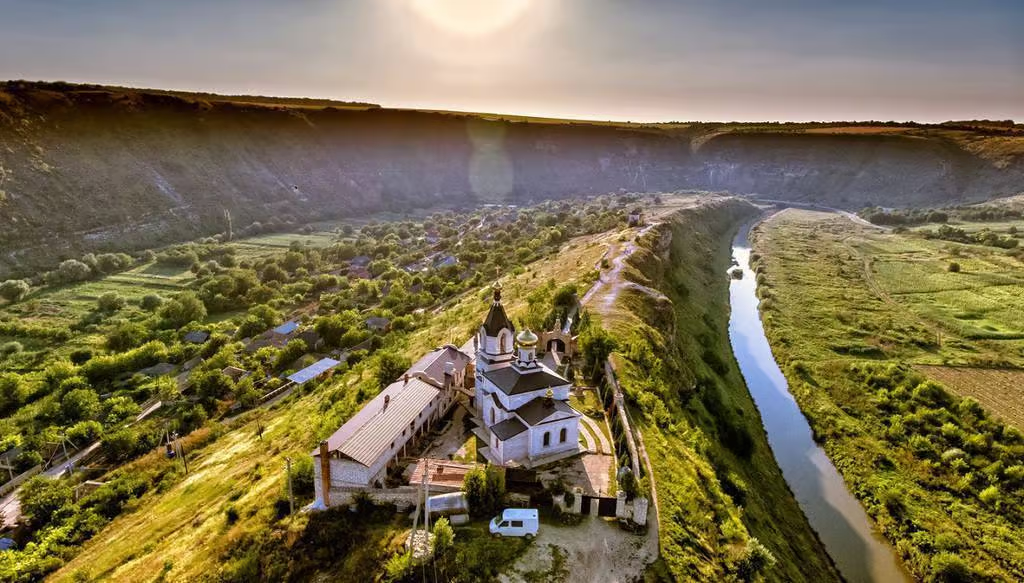
While the eastern European country of Moldova may seem obscure, Moldova is advanced when it comes to winemaking. The country is investigating how to make its wines more sustainable by opening experimental plots within three of its wine regions (Codru, Valul lui Traian and Stefan Voda) to test how grapes react to soil, water, and temperature change.
After hosting the massive Climate Change Leadership Porto: Solutions for the Wine Industry event in 2019, it’s clear Porto is at the forefront of sustainability. Many wineries within the region adhere to eco-friendly practices: reusing wastewater, using alternative fertilization methods, and implementing cork waste management systems.
The Australian Wine Research Institute has recently set up the Sustainable Wine Growing Organization in the McLaren Vale region. Nearby wineries are following many of the association’s best practices, including using sustainable pest, disease, water, and waste management methods as well as hiring local workers and supporting local businesses.
Several wineries in Napa are certified by Napa Green, one of the most prominent sustainability programs in the region. Initiatives include restoring the Napa River watershed, reducing waste, saving energy/water and supporting the local community. A number of the region’s wineries also hold LEED certification, indicating that the winery is operated in an ecological manner.
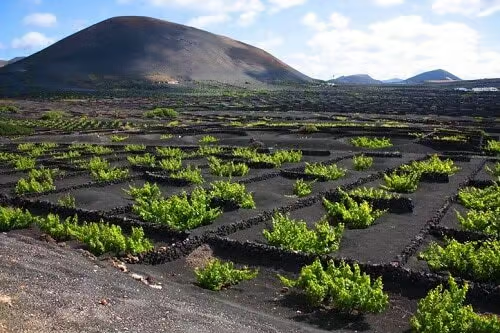
The Canary Islands are one of the most sustainable island archipelagos in the world. One of its smallest islands, El Hierro, runs almost entirely on sustainable energy. The islands are home to wineries that seamlessly interact with nature, using the volcanic terrain to protect their grapevines from wind and dryness.
Much of France is moving towards sustainable winemaking. For example, winemakers in the Beaujolais region are using more sustainable carbonic maceration practices to conquer the granitic terroir. Champagne is one of the most advanced regions when it comes to sustainability. Using a carbon plan put together back in 2003, the area has reduced its emissions by about 20% in the past few years. Future plans show how the region aims to use zero herbicide products by 2025.
Thanks to this South American country’s mostly hot, arid climate, vineyards in Chile don’t suffer from many diseases or pests, allowing grapes to grow without the need for harmful pesticides. According to the Sustainability Code of the Chilean Wine, over 75% of Chilean wine producers are certified as sustainable. Eco-friendly wine practices aren’t novel in Chile, either. For hundreds of years, winemakers have adapted naturally to more sustainable methods that better suit the country’s environment.
Many wineries in the Western Cape region (such as Franschhoek and Stellenbosch) are dedicated to sustainable winemaking and are part of the Biodiversity & Wine Initiative, which helps vineyards preserve endangered vegetation in the Cape lowlands. These wineries have adopted more sustainable practices such as using recycled glass for bottling and setting aside part of their land for conservation.
About Napa Green: The Napa Green 501c3 is a global leader in sustainable winegrowing, setting the highest bar for sustainability and climate action in the wine industry. Napa Green facilitates whole system soil to bottle certification for wineries and vineyards, and provides the expertise, boots-on-the-ground support, and resources to continually improve. Learn more at https://napagreen.org/participating-members/.
Anna Brittain
Napa Green
+1 805-636-3329
email us here
Visit us on social media:
Facebook
LinkedIn
Instagram